5 First Dance Wedding Photography Tips
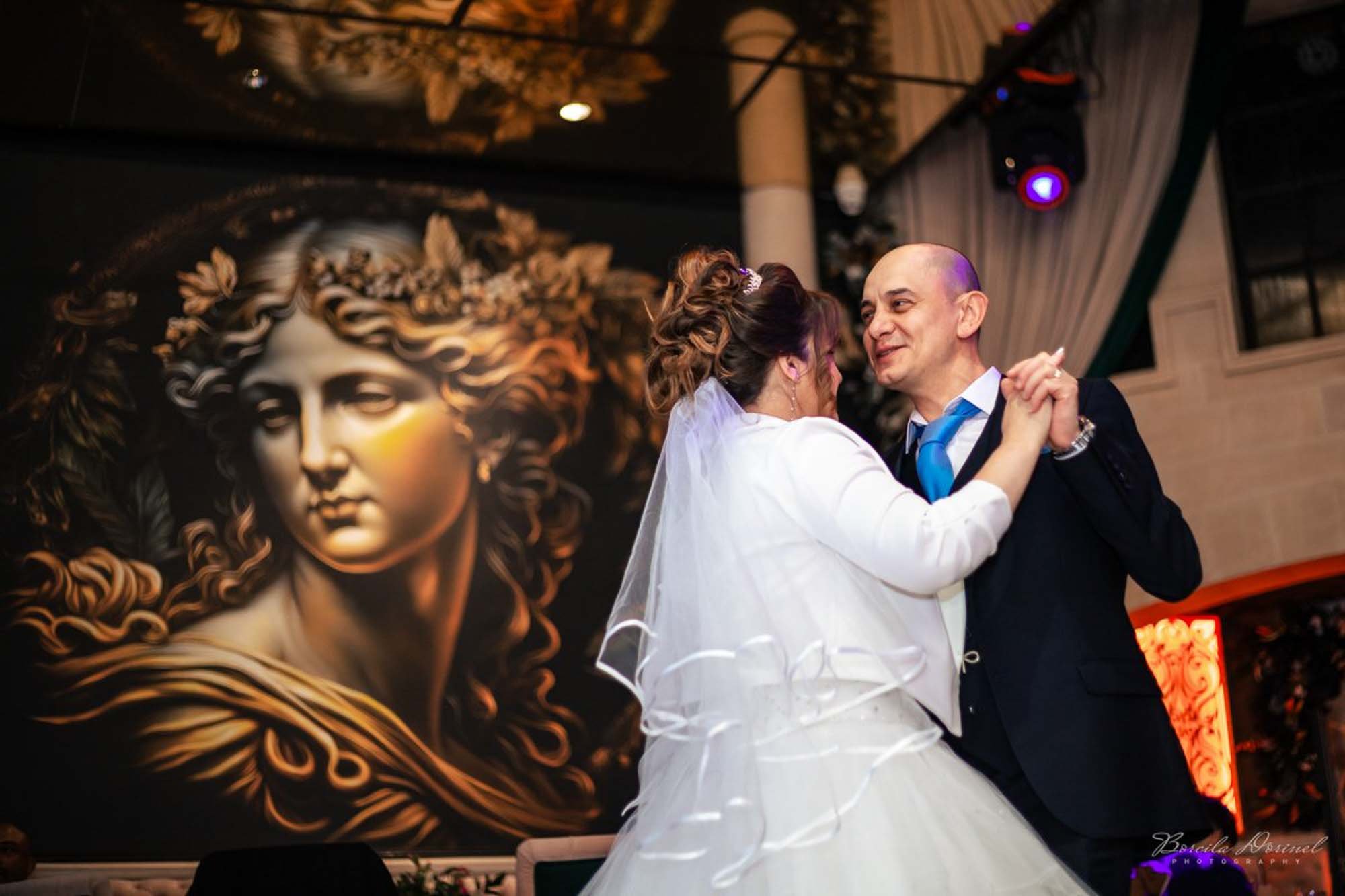
The first dance often lasts only a few minutes, but in your gallery it can feel like one of the most emotional parts of the whole day. That is why these 5 first dance wedding photography tips matter more than most couples realise. A little planning here can be the difference between beautiful, atmospheric photographs and a set of images where the moment felt lovely in real life but looked rushed, dark or cluttered on camera.
The good news is that you do not need to turn your first dance into a performance. The best photographs usually come when you feel comfortable enough to forget the camera is there. A few thoughtful choices about timing, lighting and space will help you stay present while your photographer captures the story naturally.
Why the first dance on your wedding day is different to the rest of the evening?
Unlike confetti or the ceremony exit, the first dance happens in a more challenging environment. Light levels are often low, guests gather tightly around the dance floor, and venues sometimes add coloured DJ lights that can cast strong pinks, greens or blues across skin tones. It is also one of the few moments where all eyes are on you at once, which can make even relaxed couples feel suddenly self-conscious.
From a photography point of view, this means the first dance needs a bit more intention. Not stiffness, not staging, just sensible preparation. If your photographer knows what the room will look like and you know how to make the most of the space, the result feels effortless.
5 First dance wedding photography tips that make a real difference
1.Think about the lighting before the music starts
Lighting shapes the mood of your photographs more than almost anything else. Soft, warm light can make the scene feel intimate and cinematic. Harsh disco lighting can be fun on the dance floor later, but during the first dance it can create patchy shadows and uneven skin tones.
If your venue has dimmable house lights, it is often worth keeping a little ambient light in the room rather than dropping everything into near darkness. Candles, fairy lights and warm uplighting tend to photograph beautifully. If your DJ or band uses moving coloured lights, ask whether they can keep those minimal for the first dance and bring them in properly once everyone joins you.
This is one of those moments where a quick conversation with your venue and entertainment supplier helps enormously. Your photographer can work in low light, but better light still gives you cleaner, more flattering images.
2.Give yourselves space on the dance floor
A packed edge of guests can feel exciting, but if people stand too close too early, your photographs can end up looking cramped. Leaving a bit of breathing room around the dance floor helps your photographer capture wider scene-setting images as well as more intimate frames of the two of you.
If possible, ask your coordinator, DJ or band to encourage guests to form a loose circle rather than bunching into one corner. That small change makes the whole room feel more balanced. It also gives you room to move naturally rather than worrying about stepping into handbags, glasses or someone’s elbow.
3.Consider when the first dance happens
Timing changes everything. If your first dance takes place immediately after the wedding breakfast, guests are usually attentive and the energy feels warm and expectant. If it happens much later, you may get a more lively atmosphere, but there is also a greater chance of people drifting to the bar, chatting in the background or blocking key angles.
Neither option is wrong. It depends on the kind of evening you want. If you are hoping for elegant, romantic images with everyone focused on the moment, earlier often works better. If you want the dance floor to explode straight afterwards, a slightly later first dance can be brilliant. The key is choosing deliberately rather than letting it happen as an afterthought.
4.Choose a song length that suits you
This is one of the most overlooked out of 5 first dance wedding photography tips. A six-minute song may mean something special to you, but it can feel very long when you are alone in the middle of a room. Most couples relax after the first minute, then start wondering what to do with the remaining four.
There is nothing unromantic about asking your DJ or band to shorten the track. Around ninety seconds to two and a half minutes is often plenty for lovely photographs and a genuine moment together. If you want to keep the full song, consider inviting guests onto the floor halfway through. That gives you a quiet opening and then a more energetic finish.
5.Practise enough to feel comfortable, not choreographed
You do not need a strict routine unless you truly want one. In fact, heavily choreographed dances can sometimes make couples focus more on counting steps than feeling the moment. For documentary-style photography, a gentle sway, a slow turn and occasional eye contact often look more natural and emotional than anything overly polished.
That said, a little practice helps. Simply knowing how you will begin, where your hands will go and whether you want to turn can settle nerves. If one of you feels anxious about dancing, plan a few simple movements and leave the rest relaxed. Confidence photographs beautifully, even when the steps are minimal.
What to avoid if you want natural first dance photos
The biggest issue is usually clutter. Bags on the floor, half-cleared tables near the dance area, bright exit signs behind you, or a spare speaker placed dead centre in the background can all pull attention away from the moment. Before the first dance begins, it is worth asking someone trusted to do a quick visual check of the room.
Another common problem is guests filming on mobile phones and stepping into the floor. It is completely normal for people to want their own clips, but a sea of raised screens can dominate the photographs. Some couples choose to ask guests to stay just behind the edge of the dance floor for the first minute. That keeps the atmosphere warm while allowing the moment to breathe.
Finally, be careful with very bright venue lighting pointed directly at your faces. It may sound helpful, but flat overhead light can wash out the mood. Soft directional light is usually far more flattering.
How your photographer captures the moment without interrupting it
A good first dance is photographed with awareness rather than control. Your photographer should already know where the key light is coming from, where the cleanest backgrounds are, and when to move in close or hang back. The aim is not to stop you and reposition things halfway through. It is to anticipate what is about to happen and preserve it honestly.
That is especially important if you love candid images. The best frames often happen in between the obvious moments - the small smile before the music settles, the laugh when one of you forgets the rhythm, the way your parents watch from the side, or the second everyone rushes onto the floor. These are the images that feel like memory rather than performance.
If you are working with a photographer whose style is natural and story-led, it is worth asking how they approach the first dance. At Borcila Dorinel Photography, the focus is always on letting couples enjoy the moment while quietly capturing the emotion, atmosphere and connection around them.
A few details worth discussing before the wedding
You do not need a full planning meeting just for the first dance, but it helps to cover the essentials. Let your photographer know whether you are planning any surprises, such as confetti cannons, cold sparks or a choreographed entrance. These can look fantastic, but timing matters and some effects photograph better than others.
Cold sparks, for example, can create a dramatic look, but only if the room is large enough and the setup is safely positioned. Dry ice can produce a lovely floating effect, though it depends on the venue, the airflow and the lighting. Neither is necessary for beautiful photographs. They are simply styling choices, and simpler often feels more timeless.
Also mention if elderly relatives or children will be nearby and especially important in these images. A quick glance to the side, a grandparent holding hands in the audience, or a child joining early can add so much heart to the final gallery.
The best first dance photos come from how it feels
The most memorable images are rarely the technically perfect spin or the exact second a spotlight hits. They are the ones where you look like yourselves. Close enough to forget everyone else is watching. Relaxed enough to smile when something goes slightly wrong. Present enough to remember that this is not a show, it is a moment in your story.
So if you are planning your evening now, keep it simple. Give yourselves decent light, a little space, and a song that feels right. Then let the rest unfold naturally. The photographs will carry far more than the dance itself - they will hold the feeling of being there, together, at the start of the party.