How to Feel More Relaxed in Your Wedding Photos
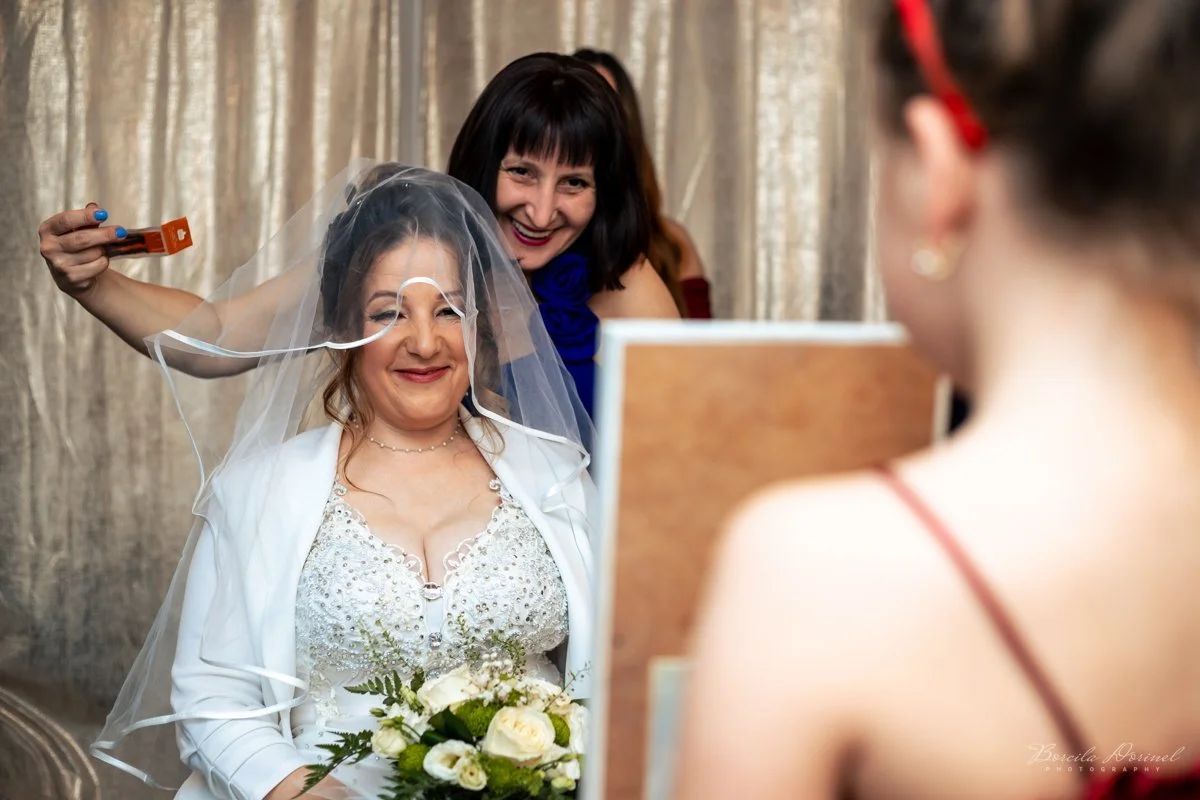
You do not need to be naturally photogenic to look calm, happy and like yourself on your wedding day. If you are wondering how to feel more relaxed in your wedding photos, the answer is rarely about posing perfectly. It is usually about feeling safe, unhurried and genuinely present with the person you love.
Most couples I speak to are not worried about the big emotional moments. They are worried about the camera turning those moments into something stiff. They do not want to spend the day performing. They want to enjoy it, trust the process and come away with photographs that feel real. That is exactly where a relaxed approach makes all the difference.
Why wedding nerves show up in photos
Feeling awkward in front of a camera is incredibly common, even for confident people. A wedding adds extra pressure because it matters so much. You have invested time, money and emotion into the day, and suddenly there is a fear that your face, hands or smile might not cooperate when it counts.
The truth is that tension usually appears when people become too aware of being watched. Shoulders lift, hands stiffen, smiles get held for too long. None of that means you are doing anything wrong. It just means you are human.
That is why the best wedding photographs are rarely created by endless direction. They come from an atmosphere where you can breathe, move naturally and focus on each other instead of the lens.
How to feel more relaxed in your wedding photos before the day?
A lot of camera confidence starts long before the wedding. If your photographer is a stranger until the morning itself, it can take longer to settle. If you have already spoken properly, shared what matters to you and understood how they work, you begin the day with trust rather than uncertainty.
This is one reason engagement sessions can help. They are not essential for every couple, but they are useful if you feel nervous in front of the camera. You get a chance to see that being photographed does not have to mean standing rigidly and smiling on command. You learn how little moments, movement and connection often create the most flattering images.
It also helps to talk honestly about your worries. Maybe you feel self-conscious about your smile. Maybe one of you hates having pictures taken. Maybe you are concerned about being pulled away from guests for too long. A good photographer will not dismiss those concerns. They will build around them.
Choose a timeline that gives you space
One of the fastest ways to feel tense is to run late. If the morning is rushed, that pressure carries into the photographs. Suddenly even simple moments feel frantic.
A well-planned timeline gives your photos room to breathe. Leave more time than you think you need for getting ready, travel, family group photographs and a short portrait session. The extra margin is not wasted time. It protects your mood.
If you want relaxed images, your day needs pockets of calm. Ten quiet minutes together after the ceremony can do more for your couple portraits than twenty minutes of forced posing squeezed between other plans. It depends on the pace of your wedding, of course, but almost every couple benefits from a schedule that is slightly gentler than expected.
Wear something that feels like you
Comfort shows. If you are constantly adjusting a dress that does not sit right, worrying about shoes that hurt or tugging at a collar, that distraction will affect how you feel in photographs.
This does not mean sacrificing style. It means making thoughtful choices. Try everything on properly beforehand, move around in it, sit down, walk, hug someone. Notice what feels secure and what needs adjusting. If you are wearing something new, especially shoes, give yourself time to get used to it.
The same goes for hair and make-up. The most successful look is usually the one that still feels recognisable when you see yourself in the mirror. If you feel comfortable, you are far more likely to appear relaxed.
Trust moments more than poses
Many couples think they need to know what to do with their hands, where to look and how to stand at all times. In reality, the strongest wedding images often happen when you have something to do together rather than a pose to hold.
Walk slowly. Talk. Hold hands. Lean in. Fix a loose strand of hair. Laugh about the ceremony. Take a breath and simply look at each other for a second.
These actions create natural movement, and movement softens self-consciousness. It gives your body a purpose. Instead of wondering how you look, you are sharing a moment. That shift is often the difference between a photograph that feels staged and one that feels alive.
The photographer matters more than people realise
If you want to know how to feel more relaxed in your wedding photos, look closely at the person behind the camera. Style matters, but personality and approach matter just as much.
A photographer who constantly interrupts, over-directs or turns every moment into a production may create more tension, even if their work is beautiful. On the other hand, a calm documentary-led approach allows the day to unfold naturally, with gentle guidance when needed and space when it matters most.
That balance is important. Completely hands-off coverage may not help if you feel unsure during portraits. Too much control can make you feel managed. The sweet spot is a photographer who knows when to step back and when to offer simple, clear direction.
For couples planning a wedding in Northamptonshire and beyond, this is often why they choose someone whose work feels honest as well as polished. At Borcila Dorinel Photography, that blend of natural storytelling and elegant portraiture is central to the experience, because couples deserve photographs that look beautiful without feeling forced.
Let go of the idea of perfection
Perfection is rarely what makes a wedding image memorable. Emotion does. A veil caught by the wind, tears during the vows, a laugh that crinkles your whole face, a slightly chaotic confetti moment - these are often the frames people treasure most.
If you spend the day trying to control every expression, your photographs can start to lose the very thing you wanted to preserve. Real joy is not always neat. Real connection is not always symmetrical.
There is a difference between being guided well and trying to look flawless every second. The first helps you feel confident. The second usually adds pressure.
Small practical things that genuinely help
Some advice sounds obvious, but it matters because your body and mind are connected. Eat something in the morning, even if you are excited or nervous. Drink water. Build in a few quiet minutes away from the crowd if you need them.
Choose people around you who keep the atmosphere light while you get ready. If the room feels calm, you will too. Music helps. Natural light helps. A tidy getting-ready space helps more than couples expect, because visual clutter can make a room feel chaotic in both mood and photographs.
And if one of you feels camera-shy, do not keep apologising for it. You are not difficult. You just need a little time to settle.
During portraits, focus on each other
The portrait part of the day worries many couples most, yet it is usually much easier than expected. You do not need to perform romance. You just need to be together.
When the camera comes out, your instinct may be to look straight at it for reassurance. Sometimes that works, especially for classic portraits. But if you want softer, more natural photographs, focus on your partner instead. Listen to their voice. Notice their expression. Say something that makes them smile.
This creates connection rather than awareness. It also helps if directions are kept simple. A small turn towards each other, a short walk, a pause with your foreheads close - these are easy movements, but they produce photographs with warmth and ease.
Give yourselves permission to enjoy the day
This sounds simple, but it matters. Some couples hold back because they are worried about creasing clothes, crying too much, getting make-up smudged or looking silly on the dance floor. Yet the freedom to enjoy yourselves is exactly what makes the gallery feel rich and personal.
Your wedding photographs are not there to prove you posed well. They are there to remind you how it felt. The laughter with friends, the squeeze of a hand from a parent, the relief after the ceremony, the way you looked at each other when everyone else disappeared for a second.
If you can give more attention to those moments than to the camera, your body will usually follow. Your shoulders drop. Your smile becomes real. Your expressions stop looking held in place.
And that is often the real secret - relaxed wedding photographs do not begin with perfect posing. They begin when you feel looked after enough to be yourselves.
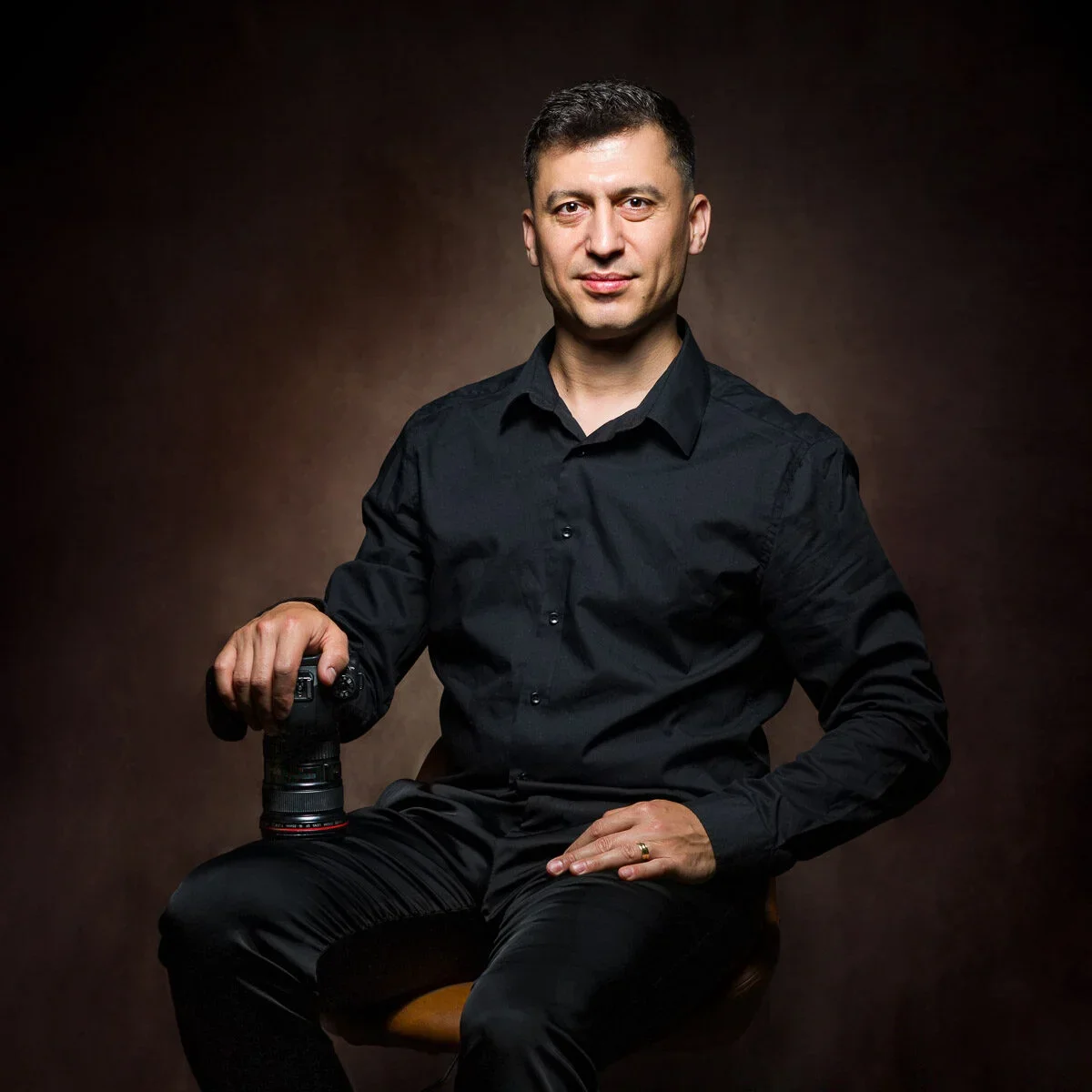
You’ve seen what natural, relaxed wedding photos can look like.
Now imagine having that for your own day — without feeling awkward in front of the camera.
If that sounds right, get in touch and tell me about your wedding.