The Ultimate Guide to Documentary Wedding Photography
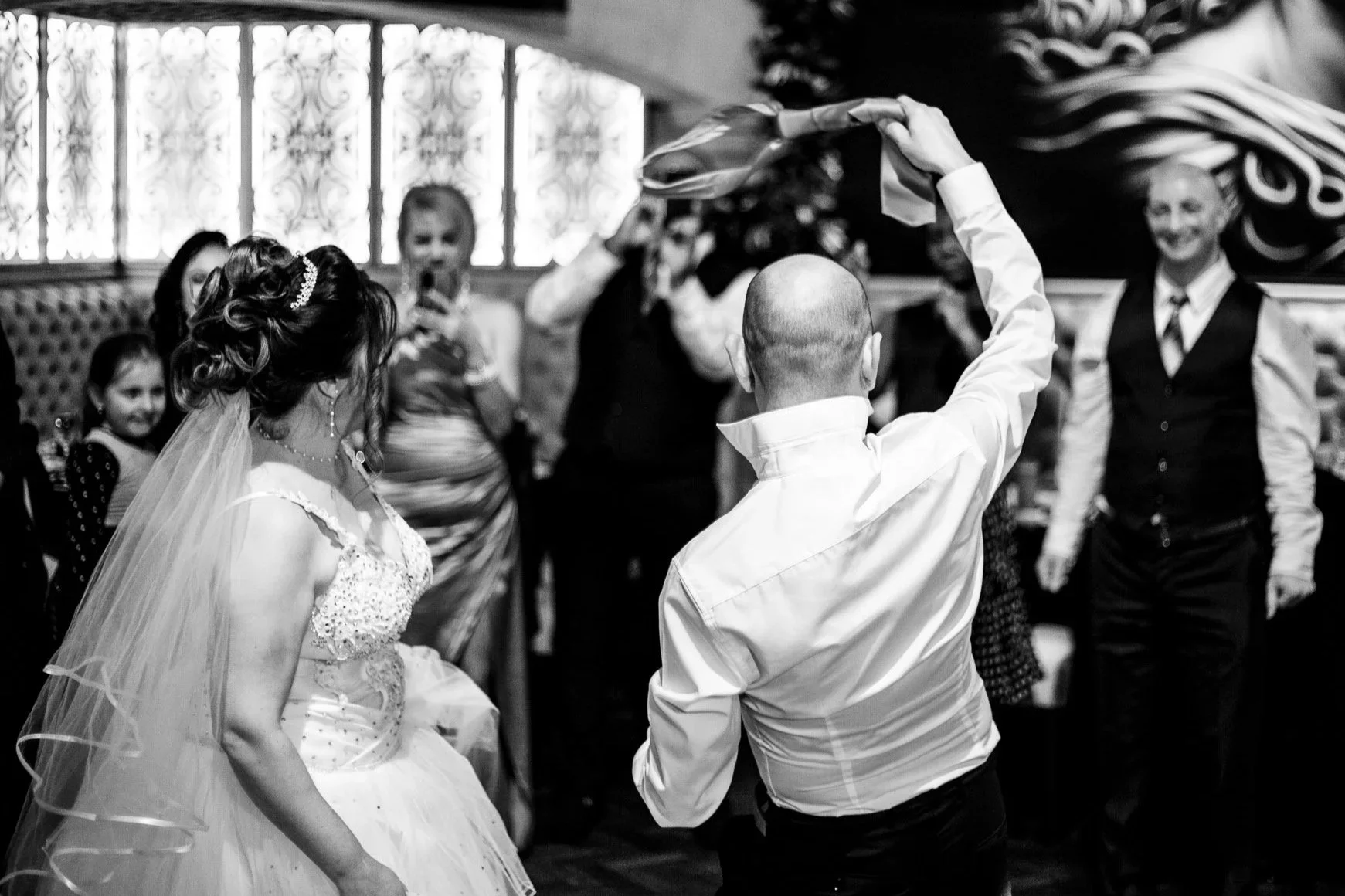
You are halfway through the confetti line, your dad is wiping away a tear he hoped nobody would notice, and your best friend is laughing so hard she can barely hold her bouquet. That is usually the moment couples start to understand what documentary wedding photography is. It is not about stopping the day every few minutes. It is about letting you live it.
If you have been asking what is documentary wedding photography, the simplest answer is this: it is a natural, story-led way of photographing a wedding as it truly happens. Instead of directing every moment, the photographer observes, anticipates and captures real interactions, genuine emotion and the little in-between scenes that give the day its character.
What is documentary wedding photography in practice?
In practice, documentary wedding photography means your photographer is looking for truth rather than performance. The focus is on what the day felt like, not just what it looked like. That could be your mum fastening a bracelet with slightly shaky hands, guests chatting in the garden before the ceremony, or the split second your partner sees you and forgets the room is full.
The style is often called candid, reportage or story-driven, and those terms overlap. The key difference from a more traditional approach is that the photographer does not build the whole gallery around posed images. They are present, attentive and ready, but not constantly pulling people out of the moment.
That does not mean there is no guidance at all. Most couples still want a handful of relaxed couple portraits and family group photographs. A good documentary wedding photographer knows how to blend both approaches so you get the emotional honesty of candid coverage, with the reassurance of a few beautifully crafted portraits too.
Why so many couples are drawn to it
Most people are not professional models, and most weddings are not fashion shoots. They are emotional, busy, slightly unpredictable and full of people who matter to you. That is exactly why documentary coverage feels right for so many couples.
When photography is less intrusive, you are free to be present. You are not spending the day wondering where to put your hands or whether your smile looks forced. Instead, you are talking to your guests, soaking up the atmosphere and getting married. The photographs then reflect who you really are, rather than a version of yourselves performing for the camera.
For many couples, that matters more than perfect symmetry. A documentary image might not be pristine in the way a staged editorial portrait is, but it can hold something more valuable - feeling. Years later, those are often the frames that bring the day back in an instant.
What documentary wedding photography is not
It helps to clear up a common misunderstanding. Documentary wedding photography is not lazy photography, and it is not simply wandering around taking random snapshots. Done well, it requires timing, awareness, experience and a strong understanding of light, composition and human behaviour.
It is also not an excuse to avoid portraiture completely. Some photographers work in a purely observational way and never pose anything, but many couples want a balanced collection. There is no rule saying documentary coverage must exclude elegant portraits, confetti shots or family formals. In fact, for lots of weddings, a mix works best.
It is also worth saying that documentary does not mean unpolished. The moments are natural, but the final gallery should still feel refined, cohesive and carefully edited.
The difference between documentary and traditional wedding photography
Traditional wedding photography tends to be more directed. The photographer may organise people frequently, set up scenes, and give clear posing instructions throughout the day. That approach can create timeless, formal images and can be especially useful if family portraits are a top priority.
Documentary wedding photography is looser and more observational. Rather than creating moments, the photographer responds to them. The emphasis is on anticipation rather than instruction.
Neither style is automatically better. It depends on your personalities and what you want to remember. If you love structure, enjoy being photographed and want a polished, guided experience for much of the day, a traditional approach may suit you. If you care most about emotion, atmosphere and authenticity, documentary coverage will probably feel more natural.
Many modern wedding photographers sit somewhere in the middle. They document most of the day quietly, then step in when needed for group photographs, a few couple portraits, or gentle direction in better light.
What moments does a documentary photographer look for?
The obvious moments matter, of course - the ceremony, the confetti, the speeches, the first dance. But documentary wedding photography shines in the moments around them.
It notices nervous energy while you are getting ready. It catches children drifting under tables, grandparents watching from the edge of the room, and friends hugging when they think nobody is looking. It sees the tiny adjustments, glances and reactions that would be easy to miss on the day itself.
A strong documentary gallery feels like a complete story because it includes pace and contrast. There are loud moments and quiet ones, wide scenes and intimate details, polished portraits and beautiful chaos. That is what makes it feel alive.
Is documentary wedding photography right for every wedding?
Usually, it suits couples who want to enjoy their day rather than be directed through it. If the thought of endless posing makes you tense, this approach will probably feel like a relief. It also works beautifully for lively weddings, emotional families and celebrations where connection matters more than perfection.
That said, there are trade-offs. If you want lots of magazine-style portraits, heavily styled editorial imagery or complete control over every frame, a pure documentary approach might feel too loose. Real moments are powerful, but they are also unpredictable. The beauty comes from honesty, not from controlling every detail.
Lighting, timings and venues also play a part. A winter wedding with very little daylight may need a touch more guidance for portraits. A large family may need a photographer who can switch confidently from quiet observation to clear organisation. The best approach is rarely rigid. It is responsive.
How to choose a photographer if you love this style
Start with full galleries, not just Instagram highlights. Anyone can curate ten strong candid images, but a wedding day is long and varied. You want to see how a photographer handles different light, crowded rooms, emotional moments and the quieter parts in between.
Pay attention to how the people in the photographs feel. Do they look relaxed? Does the work seem honest rather than overworked? Can you imagine yourselves in those images? That emotional fit matters just as much as technical quality.
It is also worth asking practical questions. How many hours of coverage do you need? Do you want a few family groups? How quickly will your gallery be delivered? For many couples, reassurance around structure is just as important as style. A photographer can be relaxed in manner and still be thoroughly professional in how they plan, communicate and deliver.
For couples looking for that balance of natural storytelling and gentle portrait direction, that is often where an experienced specialist stands out. At Borcila Dorinel Photography, for example, the aim is not to turn your wedding into a photo shoot. It is to tell the story honestly, while still giving you the confidence that the important portraits will be beautifully covered.
What to expect on the wedding day
With documentary coverage, the day usually feels calmer than couples expect. Your photographer will blend in, watch carefully and step forward when something meaningful is unfolding. There may be light guidance during prep if the room needs better positioning, and there will likely be some structure around family photographs so those are efficient rather than stressful.
For couple portraits, this often means a short, relaxed walk rather than a long session away from your guests. You may be guided into good light or asked to pause for a moment, but the goal is still to keep things natural. Nothing stiff. Nothing that pulls you out of the day.
The result should feel like your wedding, not a version staged for someone else.
What is documentary wedding photography really about?
At its heart, it is about trust. Trusting your photographer to notice what matters. Trusting the day to unfold naturally. Trusting that real emotion will always outlast a forced pose.
If you want photographs that show not only how your wedding looked, but how it felt to stand in the middle of it, documentary wedding photography is often the most meaningful choice. The flowers will fade, the cake will be cut, and the music will stop. What stays are the moments you did not rehearse - and those are usually the ones worth holding on to.