A Guide to Candid Wedding Photo Timelines
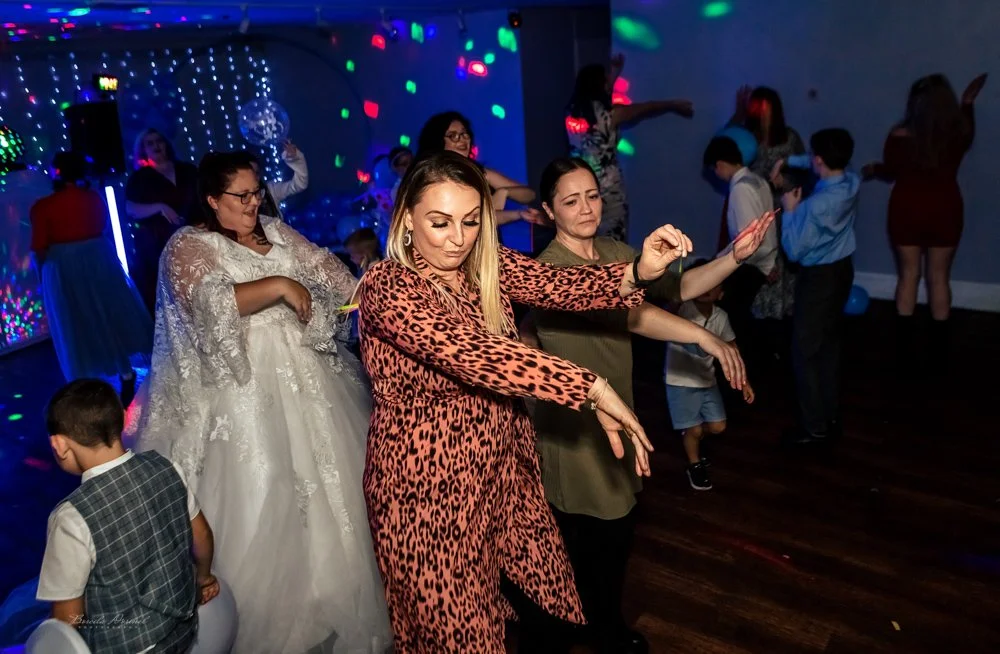
The best candid wedding photographs usually happen in the in-between moments. A squeeze of the hand before the ceremony. Your mum straightening your outfit and then suddenly tearing up. The laughter during confetti when nobody is thinking about the camera at all. That is exactly why a solid guide to candid wedding photo timelines matters - not to make the day feel rigid, but to give real moments enough room to happen.
If you want wedding photographs that feel honest, elegant and full of life, your timeline plays a bigger role than most couples realise. A rushed schedule creates rushed images. A thoughtful one gives space for emotion, movement and story.
Why a candid wedding photo timeline matters
Candid photography is often described as natural and unposed, which is true, but it is not accidental. The photographer still needs the right conditions to observe, anticipate and document what is unfolding. If your morning runs 45 minutes behind, your ceremony starts late, and family photographs are squeezed into a ten-minute gap, the day can start to feel like a race.
A good timeline protects the atmosphere. It helps you stay present, gives guests breathing room, and allows your photographer to capture the day as it actually felt rather than constantly reacting to delays.
There is also a practical side to this. Some parts of a wedding naturally produce brilliant documentary images - getting ready, greetings before the ceremony, drinks reception, speeches, dance floor. Other parts benefit from a little structure, such as family group photographs and couple portraits. The strongest galleries usually come from a balance of both.
A guide to candid wedding photo timelines from morning to evening
The shape of your day will depend on your venue, travel time, guest count and season, but most relaxed wedding timelines follow the same rhythm. What matters is leaving enough margin around key events.
Morning preparations
For candid coverage, the morning is worth more than many couples expect. This is where nerves, excitement and family connection tend to show up in a very genuine way. It is also where the story begins.
If you want photographs of both partners getting ready at different locations, travel time needs to be considered early. Even when places seem close on paper, wedding mornings can move differently. Hair and make-up overrun, suppliers arrive at once, and rooms fill quickly.
As a guide, having everything mostly ready about 30 to 45 minutes before you need to leave works well for photography. That gives time for the finishing touches without turning the room into a rush. Details such as outfits, jewellery, flowers and stationery can be photographed naturally while the atmosphere is still calm.
One small choice makes a big difference here - keep the getting-ready room as tidy and bright as possible. Clean spaces and good window light help your photographs feel polished without making anything look staged.
Travel and arrival
This is the part couples often underestimate. If your ceremony is at 1pm, arriving at 12.58pm may sound efficient, but it leaves no room for breath, greetings or unexpected traffic.
For candid storytelling, arriving a little earlier is far more valuable. It creates space for those lovely arrivals, hugs with family members, guests settling in and those final quiet moments before everything begins.
If travel between locations is involved, build in more time than your sat nav suggests. Wedding clothes, emotional relatives and real roads rarely move to plan.
Ceremony
The ceremony itself is one of the richest parts of the day for documentary wedding photography. Once it starts, the emotion tends to carry itself. You do not need to do much beyond being there with each other.
From a timeline point of view, the key is making sure guests are seated, registrars or celebrants are ready, and there is no scramble at the entrance. That calmer lead-in often affects how the whole ceremony feels.
If confetti is important to you, decide in advance when and where it will happen. A well-timed confetti moment just after the ceremony creates fantastic movement and joy. A vague plan often leads to half the guests wandering off before it starts.
Drinks reception
If you love candid photographs, this is one of the most important parts of the day to protect. The drinks reception is full of natural interaction - hugs, laughter, introductions, children playing, grandparents chatting, friends seeing each other for the first time in years.
Try not to pack this period with too many formalities. If family photographs happen here, keep them efficient so you can get back to your guests. If you are serving canapés or drinks outdoors, even better - people are far more relaxed when they can move freely.
A generous drinks reception also gives your photographer time to document the atmosphere of the wedding as a whole, not just the two of you. That wider story matters more than couples sometimes expect when they look back.
How much time to allow for portraits without losing the day
One of the biggest worries couples have is that portraits will eat into the celebration. The good news is that they do not need to.
If you want mostly candid coverage, couple portraits can be kept short, relaxed and woven naturally into the day. Around 15 to 20 minutes after the ceremony is often enough for a beautiful set of images without disappearing for ages. Then, if the light is lovely later on, another 10 minutes around sunset can add something really special.
The same goes for family photographs. These are often the least candid part of the day, but they still matter deeply. The trick is keeping them organised. A clear list of key groupings, shared with your photographer in advance, saves a surprising amount of time and stress.
There is always a trade-off here. More group photographs mean less time spent with guests. More portrait time means slightly less documentary coverage during that same window. Neither choice is wrong, but it helps to decide what matters most to you before the day arrives.
Wedding breakfast, speeches and the flow of the afternoon
Once everyone is seated, the pace usually softens. This part of the day can still produce some of the most memorable candid photographs - reactions during speeches, glances across the table, children getting restless, guests wiping away tears while trying not to be noticed.
If speeches are before the meal, people are often more attentive and emotions can feel sharper. If they are after, guests may be more relaxed. It depends on the tone you want and how your venue runs service.
From a photography point of view, good spacing matters. If the meal runs late and speeches are pushed back, evening coverage can shrink quickly. That might not matter if you have booked shorter coverage, but if first dance and dancing are important, it is worth protecting that timeline earlier in the day.
Evening moments worth planning for
Evenings are not only about the first dance. Candids continue everywhere - guests at the bar, old school friends reunited, children asleep on chairs, the burst of energy when the dance floor finally fills.
If you are planning cake cutting, sparklers or a second set of couple portraits outside, place them carefully. Too many back-to-back events can make the evening feel managed. One or two meaningful moments are usually enough.
Season matters too. In winter, darkness arrives early, so any outdoor portraits need to happen sooner. In summer, golden evening light may appear much later, which is lovely if your coverage includes it.
Common timeline mistakes that affect candid photographs
The biggest issue is overfilling the day. When every 15 minutes has a task attached to it, there is no room for spontaneous moments. A wedding day needs shape, but it also needs breathing room.
Another common mistake is underestimating transition time. Moving guests from one area to another, gathering family members, waiting for venue staff and travelling between sites all take longer than expected.
The final one is assuming candid photography means no planning at all. In reality, the more thoughtfully the day is structured, the more relaxed and natural the images tend to be.
Building a timeline around the way you want the day to feel
The best guide to candid wedding photo timelines is not about copying somebody else's schedule minute for minute. It is about deciding what you want your day to feel like and building around that.
If being present with guests matters most, keep portraits short and protect the drinks reception. If family is central to your story, allow proper time for those connections before and after the ceremony. If you want a full narrative from quiet morning anticipation to wild evening dancing, make sure your coverage matches the shape of the day.
A good photographer will help with this, because experience matters. Someone who works in a documentary style knows where the pressure points usually are and how to keep the day flowing without making it feel over-directed. At Borcila Dorinel Photography, that balance is always the goal - enough guidance to keep things calm, enough freedom for the real moments to unfold.
When your timeline is built with care, candid photography stops being something you hope for and becomes something your day naturally allows. Give yourselves that space, and the story will take care of itself.
Ready for photographs that actually feel like your day?
If you want candid wedding images that are elegant, emotional and completely natural, your timeline is where it all begins. The right structure creates space for the moments you can’t plan — and those are always the ones you’ll treasure most.
Let’s build a wedding day that flows beautifully, feels relaxed, and allows your story to unfold without pressure.
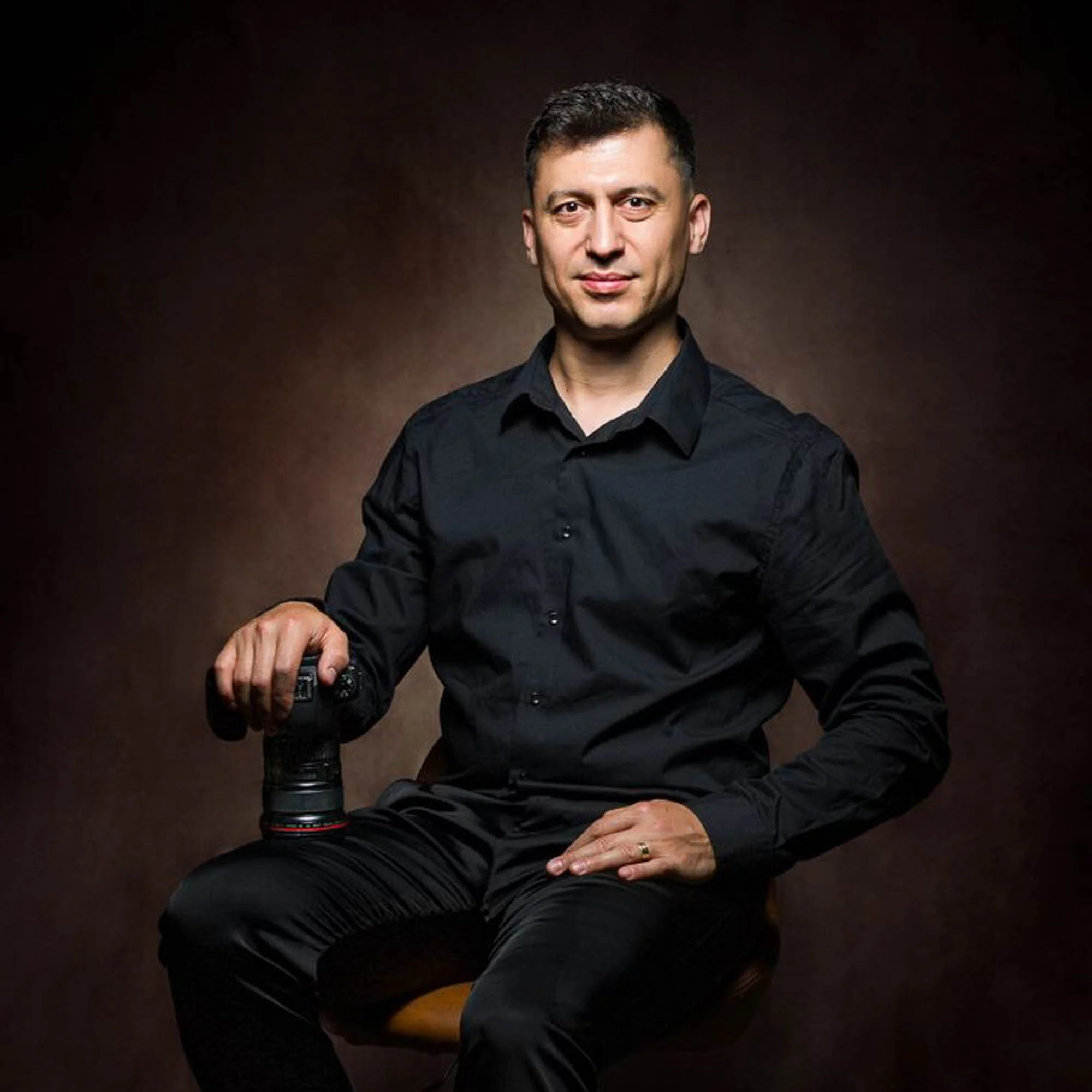
Hi, I’m Dorinel
A passionate documentary-style wedding photographer based in Northampton, UK wishing you a warm THANK YOU for taking a few minutes out of your day to read this. I know how busy life can get, especially when you’re planning a wedding. So it means a lot that you stopped by.