Should You Choose Documentary or Traditional Wedding Photography?
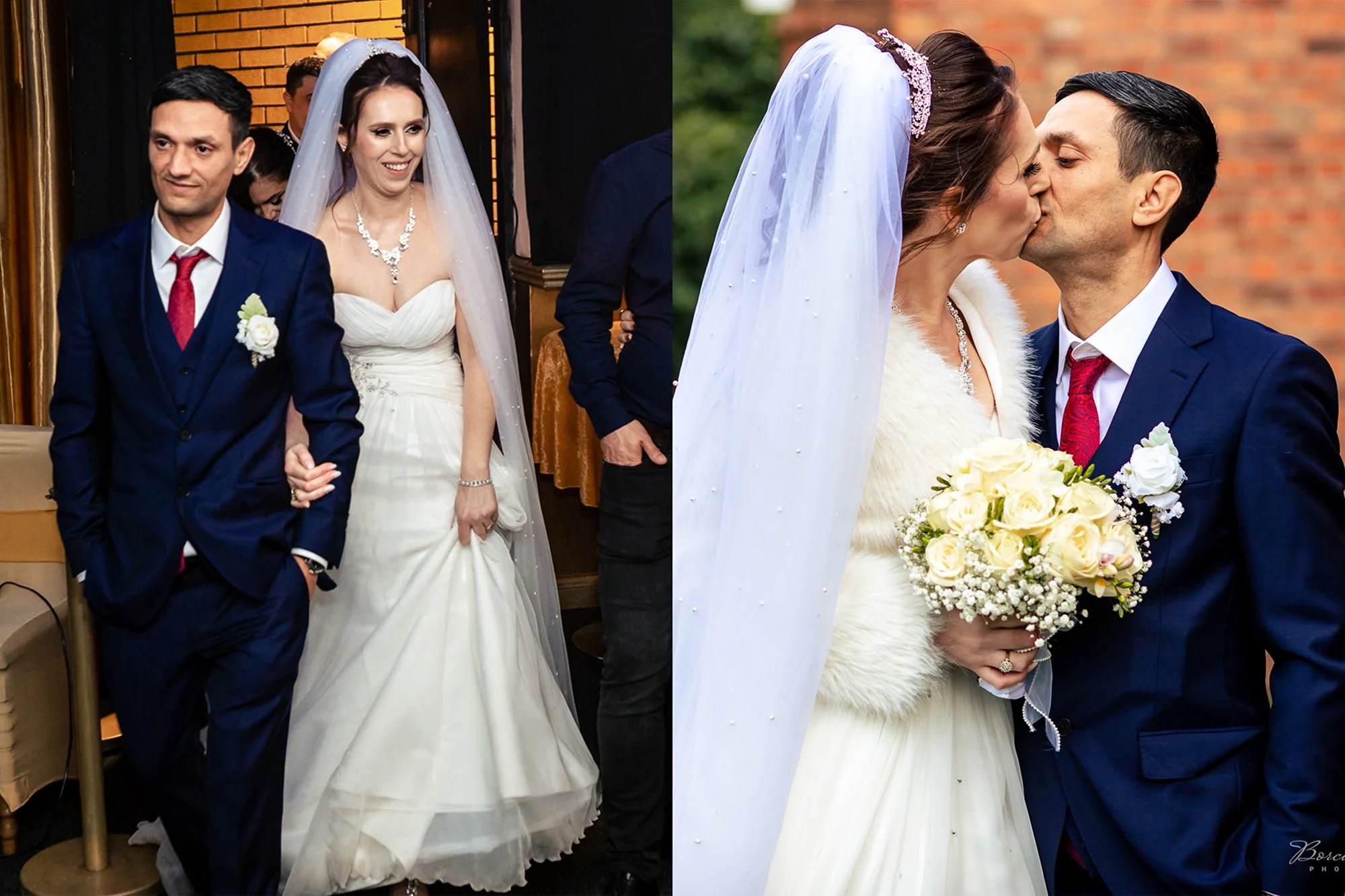
You can usually spot the difference before you know the names for it. One wedding gallery feels full of movement, laughter and little glances that almost went unnoticed at the time. Another feels polished, formal and carefully arranged. When couples start comparing documentary wedding photography vs traditional, what they are really asking is this: how do we want our day to feel while it is happening, and how do we want to remember it afterwards?
That choice matters more than most people realise. Your photography style does not only shape the finished images. It shapes the pace of the day, how often you are interrupted, how relaxed you feel, and whether you spend more time living your wedding or pausing to perform it.
What documentary wedding photography vs traditional really means
Documentary wedding photography is centred on observation. Rather than directing every moment, the photographer watches carefully and captures what is already unfolding - the nerves before the ceremony, your mum fixing your outfit, friends crying with laughter during speeches, the quiet exhale just after you walk back down the aisle. The aim is not to manufacture emotion, but to preserve it honestly.
Traditional wedding photography is more guided. It often includes posed portraits, arranged family group shots and moments that are set up with the photographer's direction. That does not make it less valuable.
In many weddings, it brings order, structure and those classic images parents and grandparents often love. In practice, most weddings are not completely one or the other. The real question is where the balance sits.
How the two styles feel on the wedding day
This is often the deciding factor.
With a documentary approach, you are usually left to enjoy your day with far fewer interruptions. The photographer blends into the background when needed and steps in gently when it helps. That means your morning can feel calmer, your drinks reception can stay social, and your guests are not constantly being gathered and rearranged.
Traditional coverage tends to involve more direction. Some couples like that. If you are worried about what to do with your hands, where to stand or whether everyone will look their best, clear guidance can feel reassuring. It can bring confidence when you are not naturally comfortable in front of the camera.
The trade-off is time and attention. More posed coverage usually means more moments where the day briefly stops for photography. For some couples, that is absolutely worth it. For others, it feels like time taken away from the celebration.
The final gallery looks different too
When people talk about style, they often mean editing. But the bigger difference is in the storytelling.
A documentary gallery tends to feel alive. It shows the in-between moments, the imperfect moments, the things you missed completely because you were busy being in them. It often has more variety in expression and emotion because people are not holding a pose. The result is personal. No two weddings look the same because no two stories unfold in the same way.
A traditional gallery usually feels more formal and composed. You are likely to see stronger symmetry, direct eye contact with the camera, and a clear sense that key moments were carefully arranged. These photographs can be timeless in their own right, especially when printed, framed or placed in an album.
Neither look is wrong. It depends whether you are drawn more to honest atmosphere or polished presentation.
Documentary wedding photography vs traditional for portraits
Portraits are where many couples assume they have to choose one side completely, but that is rarely true.
If you love natural imagery but still want to look your best, a documentary-led photographer can often create portraits that feel relaxed rather than stiff. Instead of asking you to hold a fixed pose for ages, they may guide you lightly into good light, give you space to interact naturally and capture the connection between you. The result still feels elegant, just not forced.
Traditional portraiture is more constructed. There is usually more attention to pose, posture, hand placement and camera awareness. That can be brilliant if you want a refined editorial finish or if having beautifully composed couple portraits is a top priority.
For many modern couples, the sweet spot is candid coverage for most of the day with a short, calm portrait session and a well-organised set of family groups. That gives you emotional storytelling without losing the photographs that matter to parents and future albums.
Family photographs and formal moments
This is where traditional photography still earns its place.
Even couples who want a relaxed wedding usually care about family photographs. Weddings bring people together in a way few other occasions do, and a well-made portrait of grandparents, siblings and close relatives can become one of the most valuable images from the day.
The key is not whether you have formal photographs. It is how they are handled. If the group shots are planned properly, kept efficient and photographed with warmth, they do not need to take over the celebration. They can sit neatly within a documentary-led day rather than pulling it off course.
That blend is often the most thoughtful approach. You keep the real story of the day, but you also protect the portraits that may matter more as the years go by.
Which style suits your personality?
If you are private, camera-shy or worried about feeling staged, documentary photography usually feels easier. You do not have to perform all day. You get to be yourselves, and that often shows in the images. Couples who value atmosphere, emotion and authenticity tend to connect with this style very quickly.
If you enjoy structure, like the confidence of clear direction, or have a very specific vision for classic portraits, traditional photography may feel more comfortable. It can also suit larger weddings where formal coverage helps keep things organised.
There is also the question of family expectations. Some couples love candid work but know their parents are hoping for a few proper portraits. That does not mean abandoning your preferences. It just means choosing a photographer who can handle both with care.
Why many couples now choose a blend
The most natural answer to documentary wedding photography vs traditional is often not either-or, but mostly one with just enough of the other.
A wedding day has different rhythms. The ceremony entrance, speeches, hugs, dancing and little glances are usually best left to happen naturally. Family groups, on the other hand, benefit from gentle organisation. Couple portraits often work best with a mix of direction and freedom.
That balance is exactly why many couples look for a photographer whose main strength is documentary storytelling, but who can also step in confidently when needed. It creates a gallery that feels emotionally honest while still including the beautiful, frame-worthy photographs people imagine when they first start planning.
For couples across Northamptonshire who want that mix, this is often what they are really searching for - someone who notices real moments without missing the portraits that will live on the wall or in an album afterwards.
How to decide without overthinking it
Start with a simple question: when you open your gallery in ten years, what do you want to feel? If the answer is, I want to remember how it all felt, who everyone really was, and the moments we never saw coming, documentary photography is probably where your heart already is. If the answer is, I want elegant, composed photographs where everyone looks their best and nothing feels left to chance, traditional coverage may be a better fit.
Then look at full galleries, not just highlights. Anyone can show ten beautiful portraits. A full wedding tells you how a photographer sees a whole day - the pace, the people, the emotion, the quieter edges of the story. That is where style becomes obvious.
It is also worth asking how the photographer works on the day. Are they calm? Clear? Unobtrusive? Can they gather family efficiently without turning your drinks reception into a roll call? The experience matters just as much as the images.
At Borcila Dorinel Photography, that balance sits at the heart of the work: honest, documentary-led coverage with space for timeless portraits when they matter most. For many couples, that feels like the best of both worlds.
The right choice is the one that lets you be fully present, trust the person behind the camera, and look back at photographs that still feel true long after the flowers are gone.