Documentary Style or Traditional Wedding Photography?

One of the biggest decisions couples make after setting the date is this: documentary style or traditional wedding photography? It sounds like a simple choice, but it shapes how your day is photographed, how much time you spend being directed, and how your gallery feels years later when you look back through it.
The truth is, most couples are not choosing between right and wrong. They are choosing between two very different ways of remembering the same day. If you love natural emotion, movement and the feeling of moments unfolding without interruption, one style will probably feel more like home. If you want a more guided experience with carefully arranged images and a stronger sense of control, the other may suit you better.
What documentary wedding photography really feels like
Documentary wedding photography is about observation. Rather than stopping the day to arrange every scene, the photographer watches for what is already happening and captures it as it unfolds. The laugh during bridal prep. Your dad going quiet for a second before the ceremony. Your friends losing all sense of rhythm on the dance floor. These are the moments that cannot be recreated with the same honesty.
This style is often called candid or reportage, but the heart of it is storytelling. A good documentary photographer is not simply taking random natural pictures. They are paying close attention to people, light, timing and connection, then weaving those moments into a gallery that feels like your wedding rather than a list of poses.
For many modern couples, this approach feels more comfortable because it allows them to stay present. You are not spending half the day wondering where to put your hands. You are actually living the day, and the photographs are built around that.
What traditional wedding photography gives you
Traditional wedding photography is more structured. It usually includes posed portraits, guided family groups and images where the photographer directs people into place. That does not make it cold or outdated. At its best, traditional photography is polished, elegant and reassuringly clear.
There is real value in that structure. Group photographs matter to families. A beautifully composed portrait of the two of you looking at the camera may end up framed on the wall for decades. Some couples also feel more confident when they are given direction rather than left to forget the camera is there.
Traditional coverage tends to suit weddings where formal family photographs are a priority, where timelines are built with portrait time in mind, or where couples simply love a more classic visual style. If you have always imagined timeless posed portraits in your album, it makes sense to honour that.
Documentary or traditional wedding photography: the real difference
The biggest difference is not just how the final images look. It is how the day feels while those images are being made.
With a documentary approach, the photographer blends in more, intervenes less and waits for genuine moments. With a traditional approach, the photographer leads more actively and creates moments through direction. One preserves what naturally happens. The other shapes the scene to produce a certain result.
Neither approach is automatically better. It depends on your personalities, your priorities and the pace of your wedding. If you are planning a relaxed celebration and hate the idea of constant posing, heavy direction may drain the energy from the day. If you want a very curated gallery with lots of classic portraits, a purely observational approach might leave you wishing for more guidance.
This is why the best decision is usually not based on trends. It is based on what matters most to you when you imagine opening your gallery for the first time.
Why many couples choose a blend of both
In reality, the strongest wedding coverage often lives in the middle. A documentary-led approach with space for a few beautifully guided portraits gives you both feeling and finish.
That balance works well because a wedding contains different kinds of moments. The ceremony hugs, confetti, speeches and dance floor are usually best captured naturally. Family groups, a short couple session and a handful of timeless portraits often benefit from gentle direction. You do not need to choose between a day full of stiff posing and a gallery with no formal photographs in it.
For many couples, this is the sweet spot. Most of the day stays relaxed and honest, but you still come away with the important images parents love and the portraits you will want to print, frame or place in an album.
How to tell which style suits you
A simple way to decide is to think less about photography labels and more about your own reactions.
If your favourite images are the ones where nobody is looking at the camera, where people are laughing mid-sentence, crying during speeches or hugging crookedly, you are probably drawn to documentary coverage. If the images you save are elegant, composed and clearly directed, traditional photography may be more your style.
It also helps to think about your comfort level. Some couples relax as soon as they are given clear instructions. Others tense up the moment they feel watched. Your photographer should work with that, not against it.
Your timeline matters too. A large traditional shot list takes time. So do multiple posed setups. If you would rather spend cocktail hour with guests than in a long photo session, a documentary-led approach will usually fit better.
Questions worth asking before you book
When you speak to a photographer, ask how they work rather than only asking what style they use. Two photographers can use the same label and mean very different things by it.
Ask how much direction they give during the day. Ask how they handle family groups. Ask how long couple portraits usually take. Ask to see full wedding galleries, not just highlights. A highlights gallery can make anyone look documentary, traditional or editorial for ten images at a time. A full gallery shows how they actually tell the story from morning to night.
This is also where experience matters. A calm, observant photographer knows when to step back and when to step in. They can keep portraits relaxed and efficient, then disappear again so the day keeps flowing. That balance is often what couples remember most fondly.
The emotional difference years later
When couples look back on their wedding photographs, they rarely talk first about perfect posture. They talk about people. Who was there. Who cried. Who laughed. Who threw their head back during the speeches. Who held their hand when nerves kicked in.
That is why documentary imagery tends to age so beautifully. It carries atmosphere. It brings back the bits you forgot and the bits you never saw. At the same time, traditional portraits hold their own kind of importance. They become anchors in the story - the image with your grandparents, the family photograph everyone wants a copy of, the portrait that lives on the mantelpiece.
A strong gallery makes room for both memory and beauty. It does not force your wedding into one narrow formula.
Choosing the photographer, not just the style
The style matters, but the person behind the camera matters more. You are choosing someone who will be near you in intimate moments, around your family, and present through some of the most emotional parts of the day. Their manner will affect your experience as much as their portfolio.
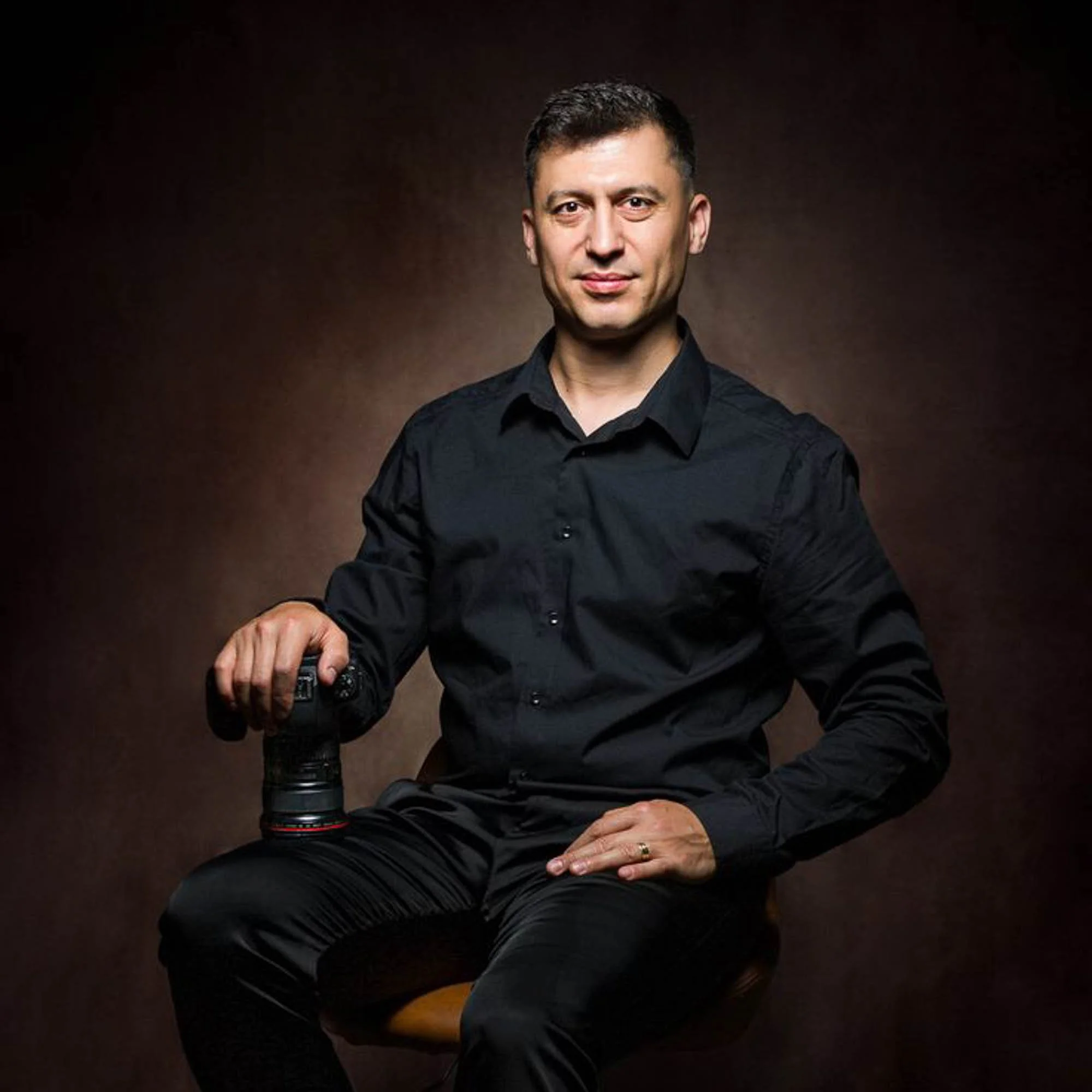
Look for someone whose work feels consistent, whose approach sounds calming, and whose images show real connection rather than just technique. If you are drawn to natural storytelling with space for elegant portraits, that blend can be incredibly powerful. It is one of the reasons many couples connect with photographers like Borcila Dorinel Photography - the day is allowed to breathe, while still making time for the images that deserve a place on your walls.
If you are deciding between documentary or traditional wedding photography, the best answer is often the one that lets you feel most like yourselves. The right photography should never make your wedding feel like a photoshoot that happened to include a ceremony. It should let you enjoy the day fully, then hand it back to you in photographs that still feel alive long after the music has stopped.
FAQs
What is documentary wedding photography?
Documentary wedding photography captures real moments as they happen. No staging. No constant posing. Just natural emotions, reactions, and the true story of your day.
Is documentary wedding photography better than traditional?
Not better — just different. Documentary is more relaxed and natural. Traditional is more guided and posed. The best choice depends on how you want your day to feel.
Do documentary photographers still take family photos?
Yes — and this is where many couples get it wrong. Most documentary photographers still include family groups and a few relaxed portraits. It’s not all or nothing.
Will we feel awkward if we don’t like posing?
Not with a documentary approach. You won’t be told what to do all day. You can just enjoy your wedding while moments are captured naturally.
How do we choose the right wedding photography style for us?
Look at full galleries, not just highlights. Ask how the photographer works on the day. And pay attention to how the photos make you feel — that usually tells you everything.
Your Wedding Shouldn’t Feel Like a Photoshoot
You’ve probably seen those perfectly posed wedding photos. And they look nice.
But if you’re being honest… you don’t want to spend your day being told where to stand and how to smile.
You want to enjoy, feel and remember it.
That’s exactly why many couples choose a more natural, documentary-led approach.