How aperture affects your images?
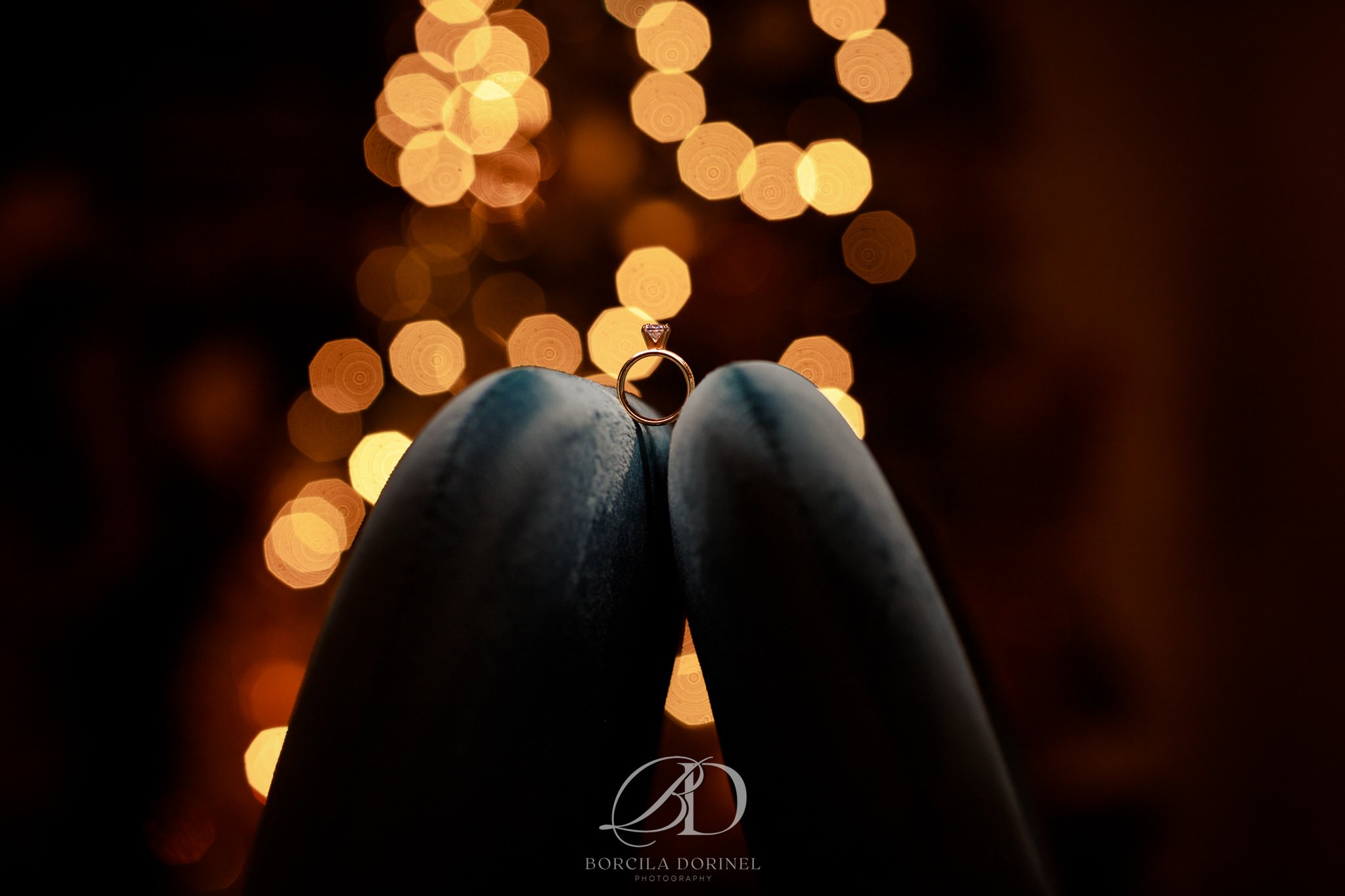
If you saw my recent Instagram reel, the one where I held a wedding ring on two chairs while checking the apertures with canon ef 85mm f1.2 L USM lens, you probably noticed how the image changed each time. Same position, same ring, same lighting… yet each shot looked beautiful with different apertures.
That’s the power of aperture. Most people hear terms like “depth of field”, “bokeh”, or “f-stops” and immediately switch off. But aperture is one of the easiest and most important camera settings to understand for controlling an image's mood.
What aperture (f-stop) really does?
The aperture is like the pupil of your eyes, the same one inside the lens. It uses the blades to open and close the lens and also control how much light enters the lens.
But more importantly, it controls the depth of field, which is the amount of background blur in your image.
Small f-number (like f/1.2) means wide open, lots of light, very blurry background
Large f-number (like f/16) means narrow opening, less light, everything sharp
How each f-stop changes the image?
Here’s an easy breakdown of how different ranges behave:
f/1.2 – f/1.8: Maximum blur, dreamy backgrounds, razor-thin focus. Ideal for dreamy or artistic shots, romantic couple portraits, beautiful for rings, flowers, and bridal details. It also creates that creamy, cinematic background that everyone loves.
f/2 – f/2.8: Soft but controlled. Great for portraits, details, and natural-looking shallow depth. Perfect for natural documentary-style photos, capturing candid guest moments and movement on a wedding, keeping subjects clear while gently separating them from the background.
f/8 – f/16: Everything crisp and clear. Best for landscapes, group photos, ceremony moments and scenes that need equal sharpness, making sure that multiple people stay sharp in one frame.
While it’s true that aperture is technical, it’s also emotional. It shapes how a memory feels.
Even without moving the camera an inch, these shifts completely change the photo's mood.
Whether you're learning photography or planning your wedding, aperture helps define the style of your images.
Try different aperture settings yourself
If you're learning photography and want to practice what my reel showed:
Place an object to a steady surface (like I did with the wedding ring).
Keep your camera in the same spot (in my case, on a tripod for perfect sharpness with no camera shake and a wireless trigger)
Shoot it at every f-stop from your lowest to your highest aperture.
Compare the results.
You’ll instantly understand depth of field in a way no textbook can teach you.
Pro tip:
Switch the button from your lens on manual focus (not auto) and always focus on the same spot so the comparison is fair.
So… which aperture is “the best”?
Here’s the truth: THERE IS NO BEST APERTURE!
Only the one that tells the story the way you want it told.
Want dreamy romance → go wide
Want crisp detail → go narrow
Want natural documentary shots → choose the sweet spot in the middle
Great photographers don’t chase the “perfect” setting, but they choose intentionally. For them, every aperture carries a mood, a feeling, a narrative. And that’s exactly how I approach my work.
Be it a wedding, an engagement, or a creative project, I use thoughtful, intentional choices to shape the emotion behind each frame.
So, are you ready to bring your story into focus? Reach out to book or inquire, and let’s create something beautiful together!