Guide to Full Day Wedding Photography
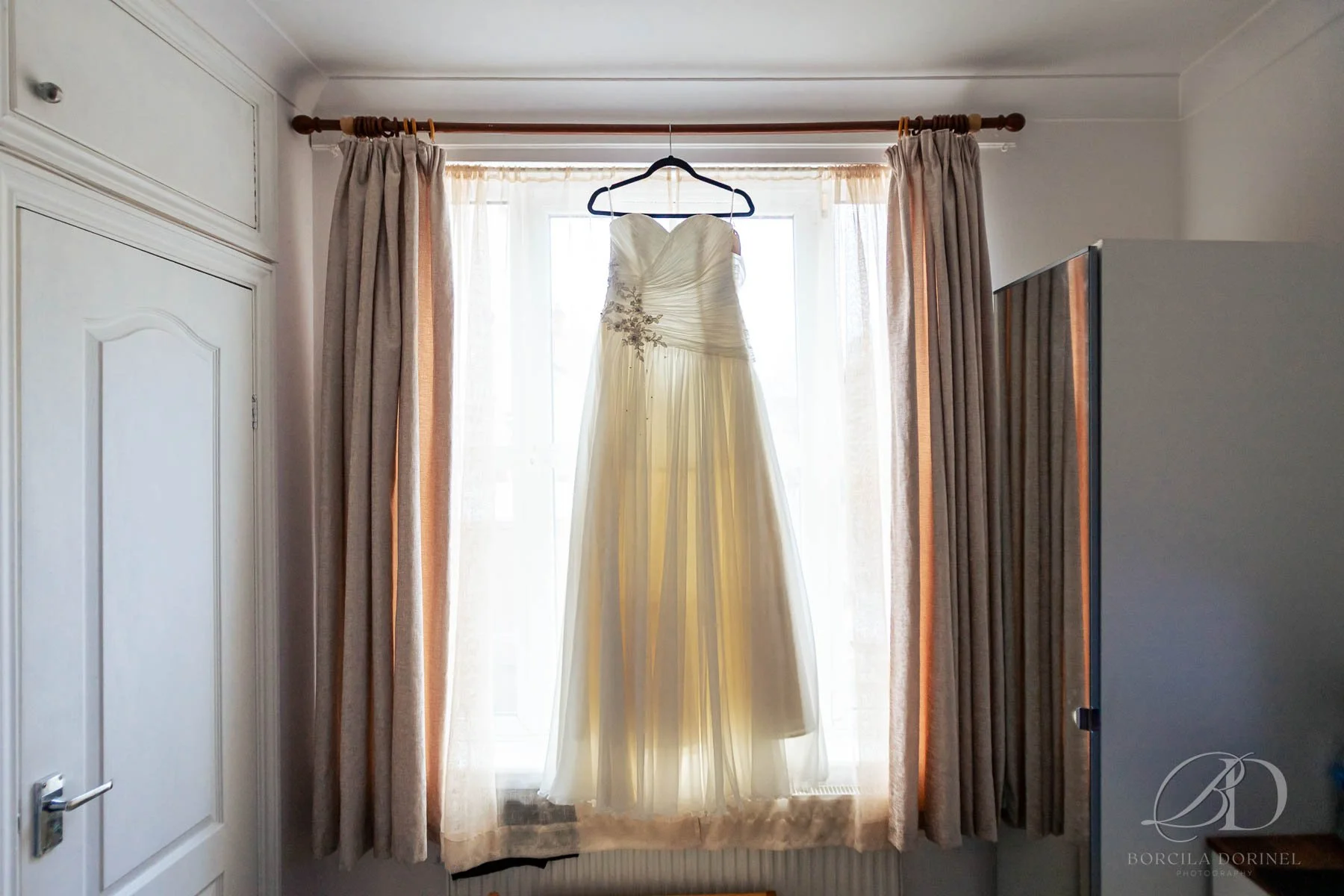
The morning usually starts quietly: a dress hanging by the window, a last cup of coffee, a message from someone you love - and before long, the whole day is moving at full pace. That is exactly why a guide to full-day wedding photography matters. If you want your gallery to feel like the real story of your wedding, not just a highlight reel of the ceremony and a few portraits, full-day coverage gives that story room to breathe.
For many couples, the decision is not really about hours. It is about how they want to remember the day. If you care about the nervous excitement before you leave for the ceremony, the hugs from grandparents, the laughter during speeches, and the slightly wild energy of the dance floor, full-day photography is often the best fit.
What full-day wedding photography actually covers
Full-day coverage usually begins during preparations and finishes after the first dance, often with some evening dancing included. Exact timings vary between photographers, but it commonly means around 8 to 12 hours of continuous coverage.
That timeframe is what allows your wedding to be photographed as a complete narrative. Rather than arriving just before the ceremony and leaving after a few formal photos, your photographer is there to document the build-up, the transitions, and the smaller in-between moments that often become favourites later.
This matters because weddings are not made up only of milestone moments. They are full of glances, movement, atmosphere and family connection. A parent seeing you ready for the first time, friends helping with final touches, children getting restless during speeches - these details give your gallery emotional depth.
Why couples choose a full-day approach
The biggest reason is simple: less gets missed. A shorter package can absolutely work for some weddings, especially if you are planning something intimate or very relaxed. But if your day includes bridal or groom preparations, a ceremony in one location, a reception somewhere else, family groups, couple portraits, speeches and evening celebrations, a shorter window can feel tight surprisingly quickly.
Full-day coverage also changes the pace of the experience. When there is enough time built in, photography feels less rushed. You are not watching the clock or squeezing portraits into a narrow gap. You can stay present with your guests and enjoy the day as it unfolds, which usually leads to more natural photographs too.
For couples drawn to documentary wedding photography, this is often the strongest argument. Real moments need time. They rarely appear on command.
A realistic timeline for full-day wedding photography
Every wedding runs differently, but a typical full-day timeline often starts around two to three hours before the ceremony. That gives enough time to capture details, getting ready moments, candid interactions and a few relaxed portraits before you leave.
The ceremony itself is only one part of the story. After that come the congratulations, confetti, group photos, couple portraits, room details, speeches, cake cutting and the first dance. If your photographer stays into the evening, the gallery also includes the atmosphere once everyone settles in and the celebration becomes looser and more carefree.
A good
guide to full-day wedding photography
should also mention that not every part needs equal time. Preparations may need a couple of hours. Group photos often work best in 20 to 30 minutes if well organised. Couple portraits can be beautifully natural in 15 minutes, especially if done twice - once after the ceremony and again around golden hour.
That is one of the quiet advantages of longer coverage. There is space to split things up rather than forcing everything into one block.
When full-day coverage is worth it - and when it may not be
If you are having a larger wedding, multiple locations, a church ceremony, or a full evening reception, full-day coverage is usually worth serious consideration. The more moving parts your day has, the more valuable that extra time becomes.
It is also worth it if family matters deeply to you. Some of the most meaningful images happen outside the formal schedule. Elderly relatives chatting in a corner, siblings helping each other, parents reacting during the ceremony - those moments are easy to miss if coverage is too short.
That said, it depends on the shape of your wedding. A small registry office ceremony followed by a meal with close family may not need 10 or 12 hours. If your priorities are ceremony, confetti, family groups and a few lovely portraits, a shorter package might suit you better.
The best choice is the one that matches your plans, not the one that sounds most comprehensive on paper.
How to get the most from full-day wedding photography
Great coverage is not only about booking enough hours. It is also about creating the right conditions for natural photographs.
Start with a timeline that has breathing room. If every part of the day runs back-to-back, the stress tends to show. Leave extra minutes for getting into outfits, travel, greeting guests and unexpected delays. Weddings almost always run a little differently than planned.
Light matters too. If you can, think about where preparations will happen. A bright room with window light is far more flattering than a cramped, dark space full of bags and coat hangers. The same goes for portraits later in the day. Your photographer can work in all kinds of conditions, but better light always gives more flexibility.
It also helps to decide what matters most to you. Some couples care deeply about dance floor photos. Others are far more interested in family interactions or quiet candid moments. Sharing those priorities in advance helps your photographer shape the coverage around you, rather than treating the day like a checklist.
The balance between candid and posed photos
One concern couples often have is whether full-day coverage means being photographed constantly. In the best sense, yes - but not in an intrusive way.
A documentary approach means much of the day is observed rather than directed. Your photographer watches for emotion, connection and atmosphere without interrupting what is happening. That is how you get images that feel honest.
At the same time, most couples still want a handful of gently guided portraits and some well-composed family photographs. That balance is what creates a complete gallery. You get the real, unscripted story of the day, alongside the timeless images parents love and the portraits you will want to print and frame.
This is where experience really shows. A calm photographer knows when to step in, when to stay back, and how to keep portraits relaxed so they still feel like you.
Questions to ask before you book
If you are comparing options, ask what full-day actually means. Some photographers define it by hours, while others define it by events, such as from preparations to first dance. Make sure you know when coverage starts, when it ends, and whether travel between venues is included.
Ask about delivery too. Fast turnaround can make a real difference when you are excited to relive the day, and a professionally edited online gallery makes sharing and ordering prints much easier. Albums and wall art are worth discussing as well, because full-day coverage often produces the kind of complete story that suits an album beautifully.
And perhaps most importantly, ask yourself whether you feel comfortable with the photographer. Full-day coverage means they will be beside you for a large part of one of the most personal days of your life. Trust and ease matter just as much as style.
Guide to full-day wedding photography for natural, lasting memories
If your wedding is about people, emotion and the feeling of the day as much as the schedule, full-day coverage gives those memories a chance to be preserved properly. It captures not only what your wedding looked like, but what it felt like.
For couples planning a wedding in Northamptonshire and beyond, that often means a gallery with real shape to it - the anticipation of the morning, the emotion of the ceremony, the joy of seeing everyone together, and the energy of the evening once the formalities fall away. That is the difference between a set of nice photos and a story you can return to for years.
The right coverage is the one that lets you forget about coverage altogether. When your photographer has enough time, enough experience and the right eye for honest moments, you are free to get on with the best part - living your day fully, knowing it is being remembered with care.
Final thoughts
Choosing full-day wedding photography is less about the number of hours and more about the depth of your memories. From the quiet anticipation of the morning to the energy of the evening celebration, full-day coverage ensures your wedding story is captured naturally, completely, and without compromise. It allows every meaningful glance, laugh, and fleeting moment to become part of a cohesive narrative you can relive for years to come.
If you want more than just a highlight reel—if you want a gallery that reflects the true emotion, atmosphere, and connections of your day—then investing in a full-day wedding photography package is one of the most valuable decisions you can make. It gives your memories the time and space they deserve, resulting in images that feel authentic, timeless, and deeply personal.
Ready to Capture Your Full Wedding Story?
Your wedding day happens once, but your photos last forever. If you are planning your day and want a natural, storytelling approach to full-day wedding photography, now is the perfect time to start the conversation.
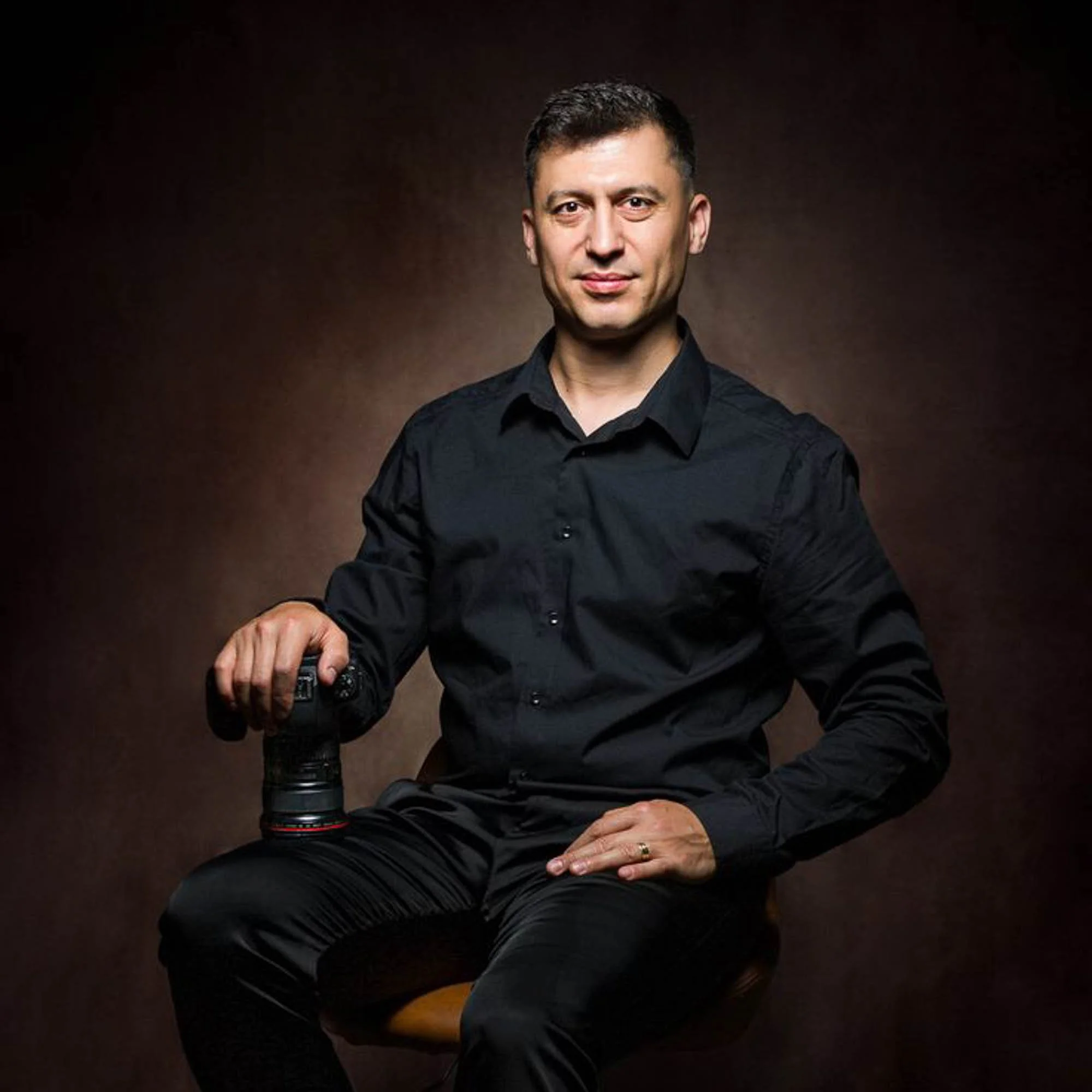
Hi, I’m Dorinel
A passionate documentary-style wedding photographer based in Northampton, UK wishing you a warm THANK YOU for taking a few minutes out of your day to read this. I know how busy life can get, especially when you’re planning a wedding. So it means a lot that you stopped by.